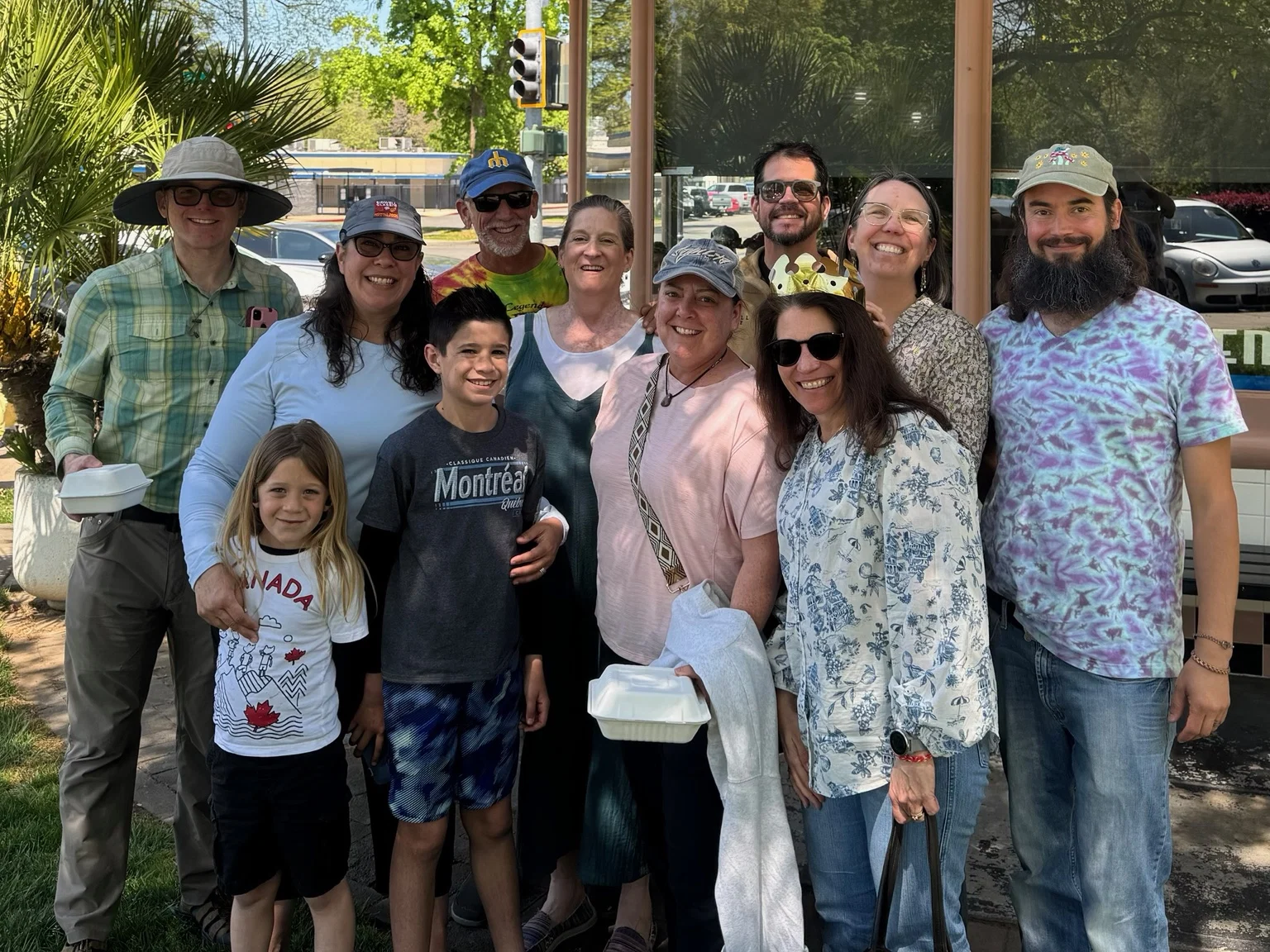
Community work changes the questions.
Nonprofit budgets, service delivery, volunteer capacity and governance make “community need” less abstract. They also reveal how often a good program can be one burned-out volunteer away from disappearing.

Community
Health care, disability sports, shelter, youth activities, culture, running, schools and the unglamorous administrative work underneath them.
Nonprofit budgets, service delivery, volunteer capacity and governance make “community need” less abstract. They also reveal how often a good program can be one burned-out volunteer away from disappearing.
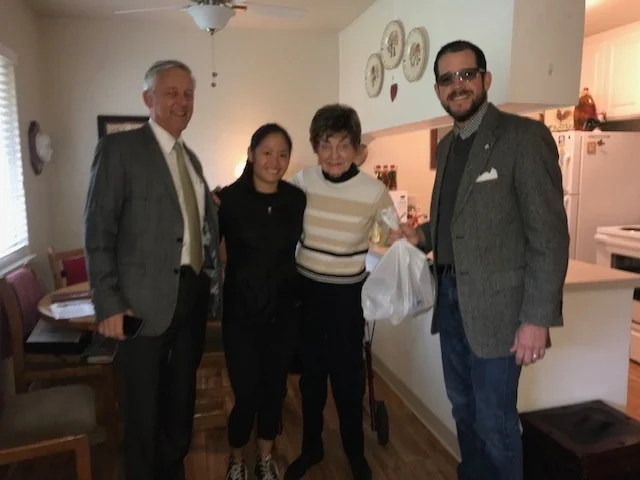
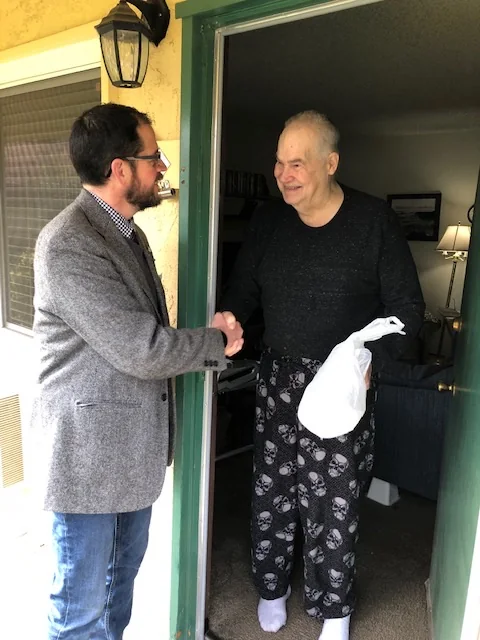
Direct service, site visits and conversations with clients and providers are a recurring part of the record, not decorative volunteer photography.
Randall serves as President and Krista as Board Secretary. The clinic is an increasingly central family and civic responsibility.
Nearly two decades of coaching, leadership, event operations and advocacy around inclusive sport.
Special Olympics story →Culture, bilingual family life, youth performance and nonprofit governance meet in a program built to carry folklórico forward.
Visit Rosas de María →Randall and Krista helped keep the long-running organization alive through the post-COVID period and transitioned off the board with the club thriving.
Direct shelter work, board and treasurer service, housing advocacy and the professional housing background behind it.
Swimming, drama, dance, scouts, sports, Virtues and the family logistics that turn community organizations into lived institutions.
Civic life came home with us
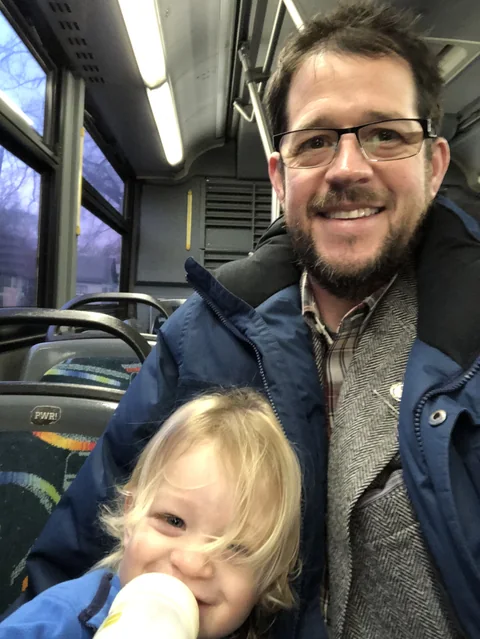
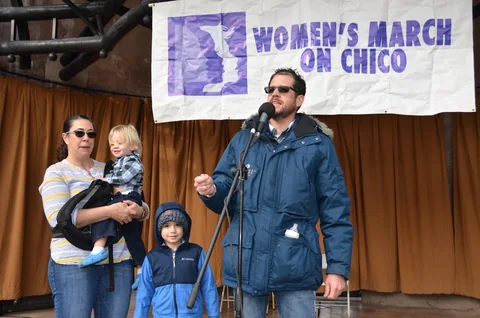
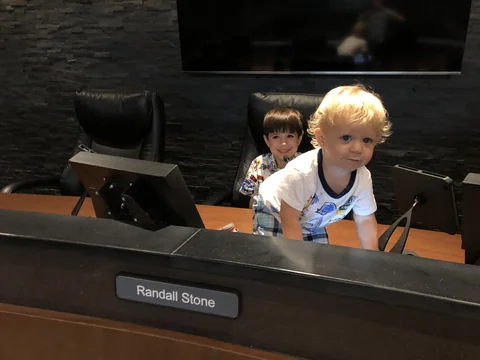
Transit rides, marches, service routes, community events and the Council chamber were also family spaces. That is one of the places where civic policy, public systems and ordinary planning became inseparable.
Youth organizations
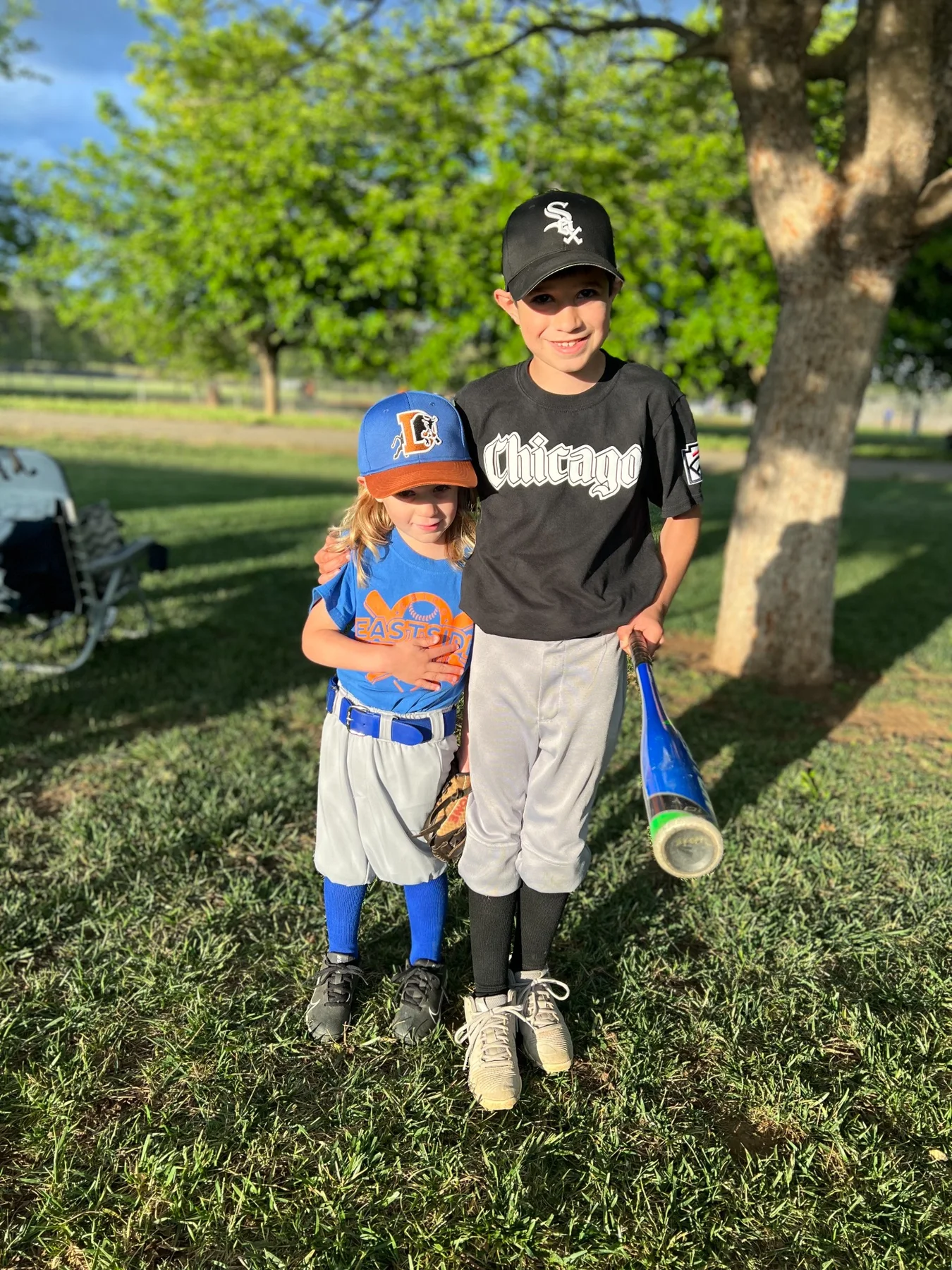
Sports, swimming, schools, scouts, drama and folklórico all come with coaches, boards, fundraising, facilities, schedules and adults trying to keep the whole machine moving. Family life and community governance overlap constantly because, inconveniently, humans keep organizing themselves.
Institutions become family vocabulary
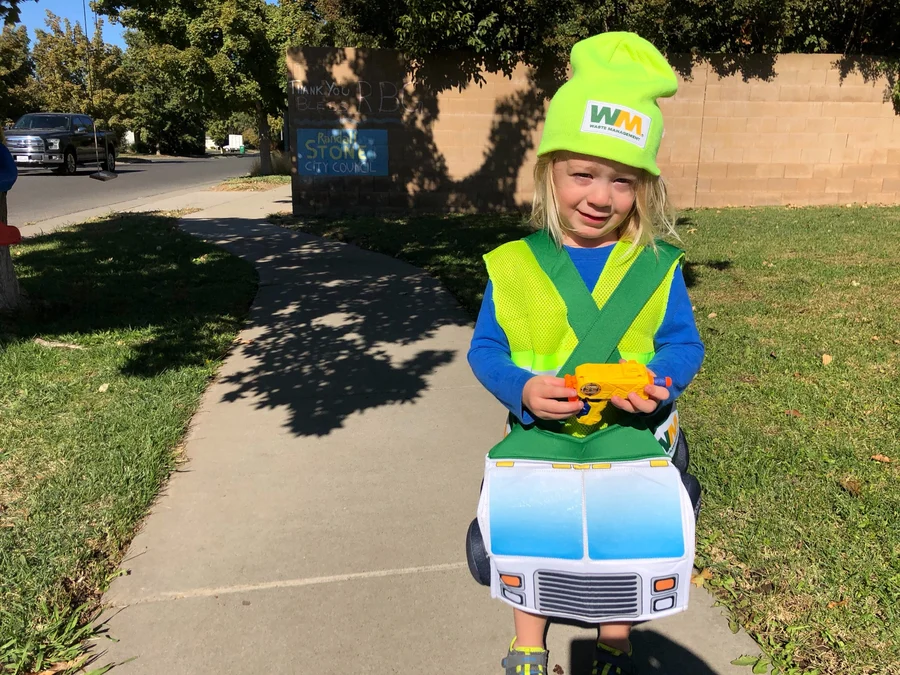
Waste collection, buses, streets, schools, parks and emergency services were not only board or Council subjects. They were visible parts of ordinary family life. The costume is funny; the underlying point is not: public systems become understandable when people encounter the workers, equipment and routines that make them function.