Family record · objects · stories · corrections
Memory is allowed. Memory without dates gets footnotes.
Family history deserves precision. Artifacts, photographs and stories stay attached to what is known, and uncertainty is labeled.
Family stories deserve preservation, but nostalgia does not get an exemption from accuracy.
Artifacts and photographs
Keep the source attached to the story.
Clifford Argyle Stone and Kit-Cat
Clifford Argyle Stone purchased, owned, and operated the Kit-Cat company. He was not the designer of the Kit-Cat clock. That distinction matters because family stories improve when they become more accurate, not more grandiose.
The archive should preserve company records, photographs, advertisements, objects, correspondence, and the family account of Clifford’s role in operating the business.
Larry and Carmen Stone
Clifford was the father of Lawrence Edward “Larry” Stone. Larry and Carmen Aranda Stone built their family life in Sunnyvale. Their photographs, records, places, work, and stories belong in the same archive with names and dates attached while people still remember them.
What the archive is for
Legacy is not a shelf of prestige objects. It is a way to keep relationships, work, migration, business, culture, mistakes, humor, and the physical evidence of a family from becoming anonymous.
- Family photographs with names, places, dates, and permissions
- Business and employment records
- Letters, certificates, programs, press, and objects
- Spanish-language and bilingual family material
- Recorded stories and corrected captions
- Links between family history and the public record
Preserve the story. Correct the story. Keep the people attached to it.
Family photographs
The family archive is now separated by branch instead of relying on filenames and memory.


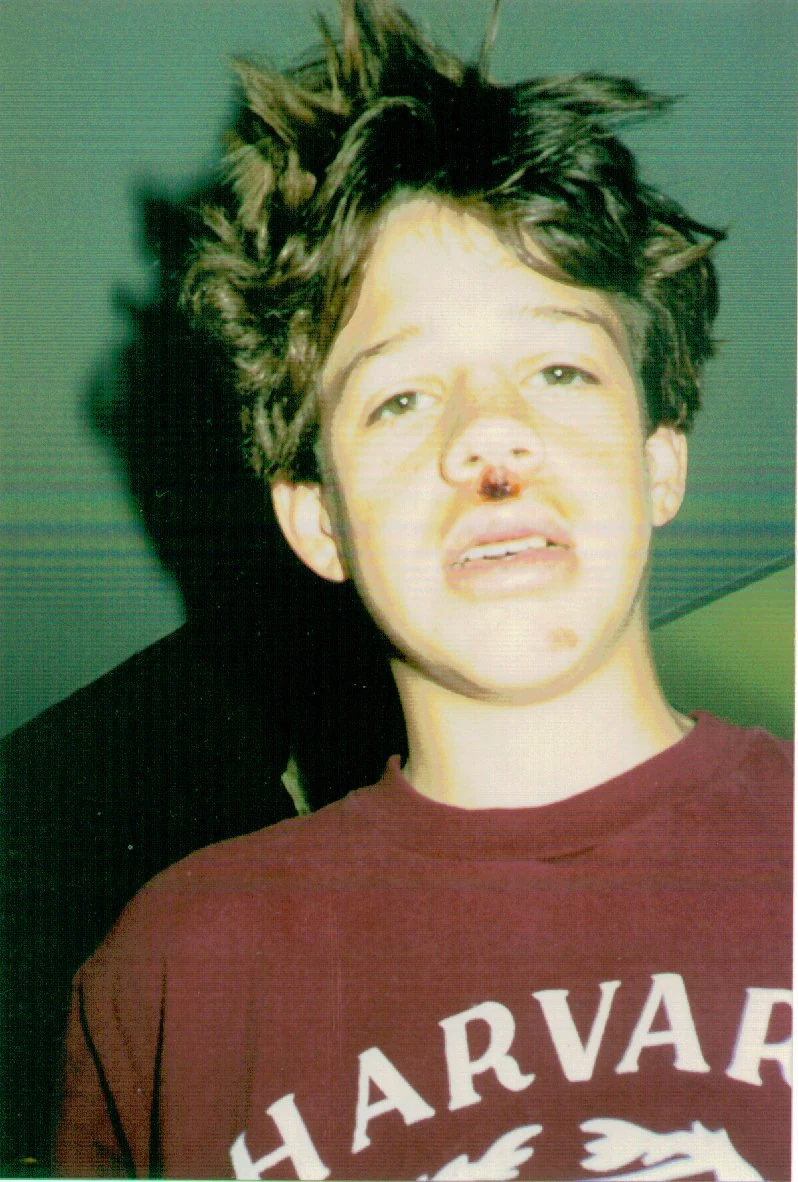
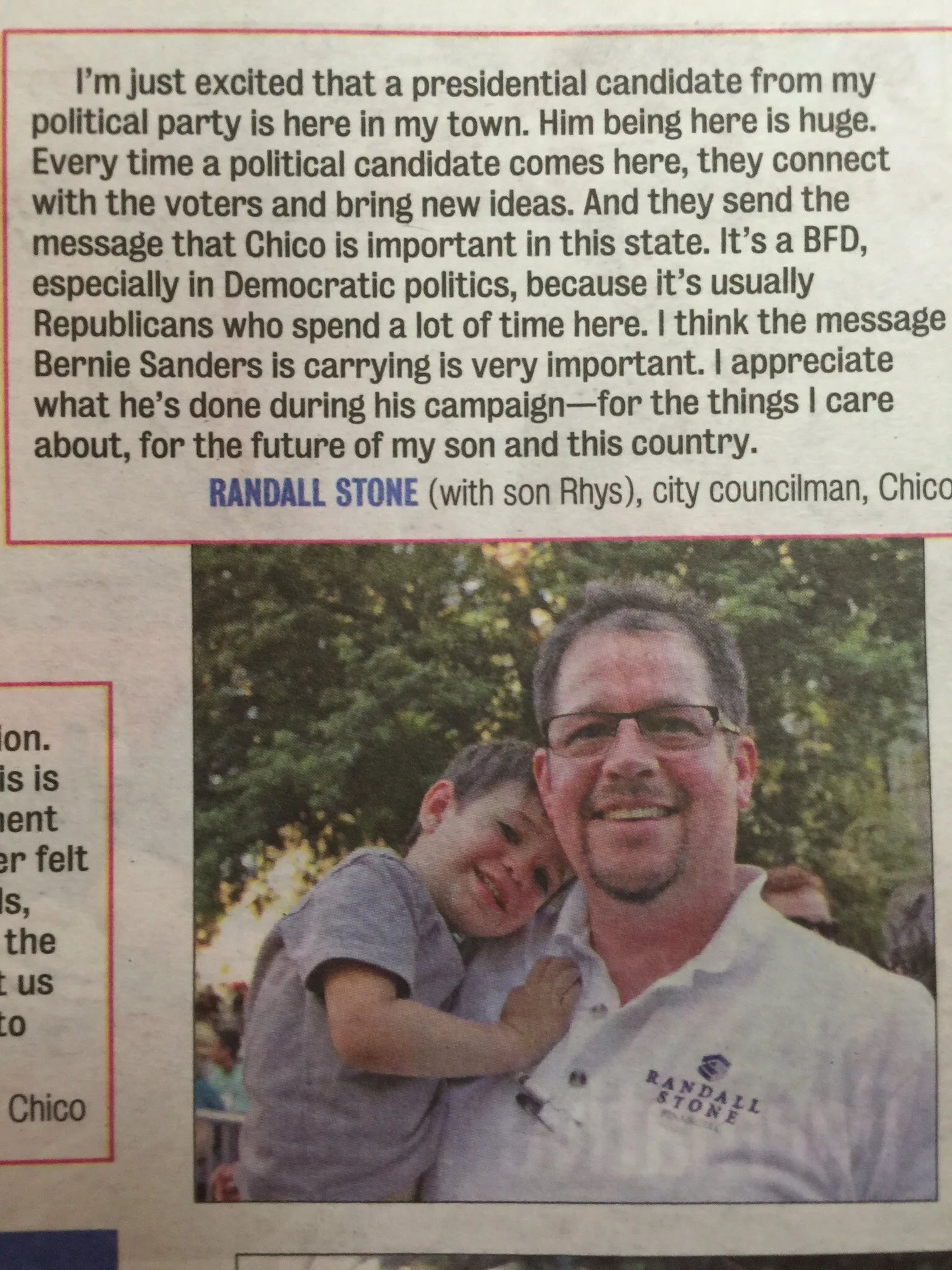
Archival treatment: these are photographs of older prints. Web derivatives preserve the originals as supplied; deeper restoration should remain conservative and source-faithful rather than inventing facial detail.