Randall Stone / From Pear Grove to Bidwell Park Apartments
Pear Grove · relocation · affordable housing · implementation
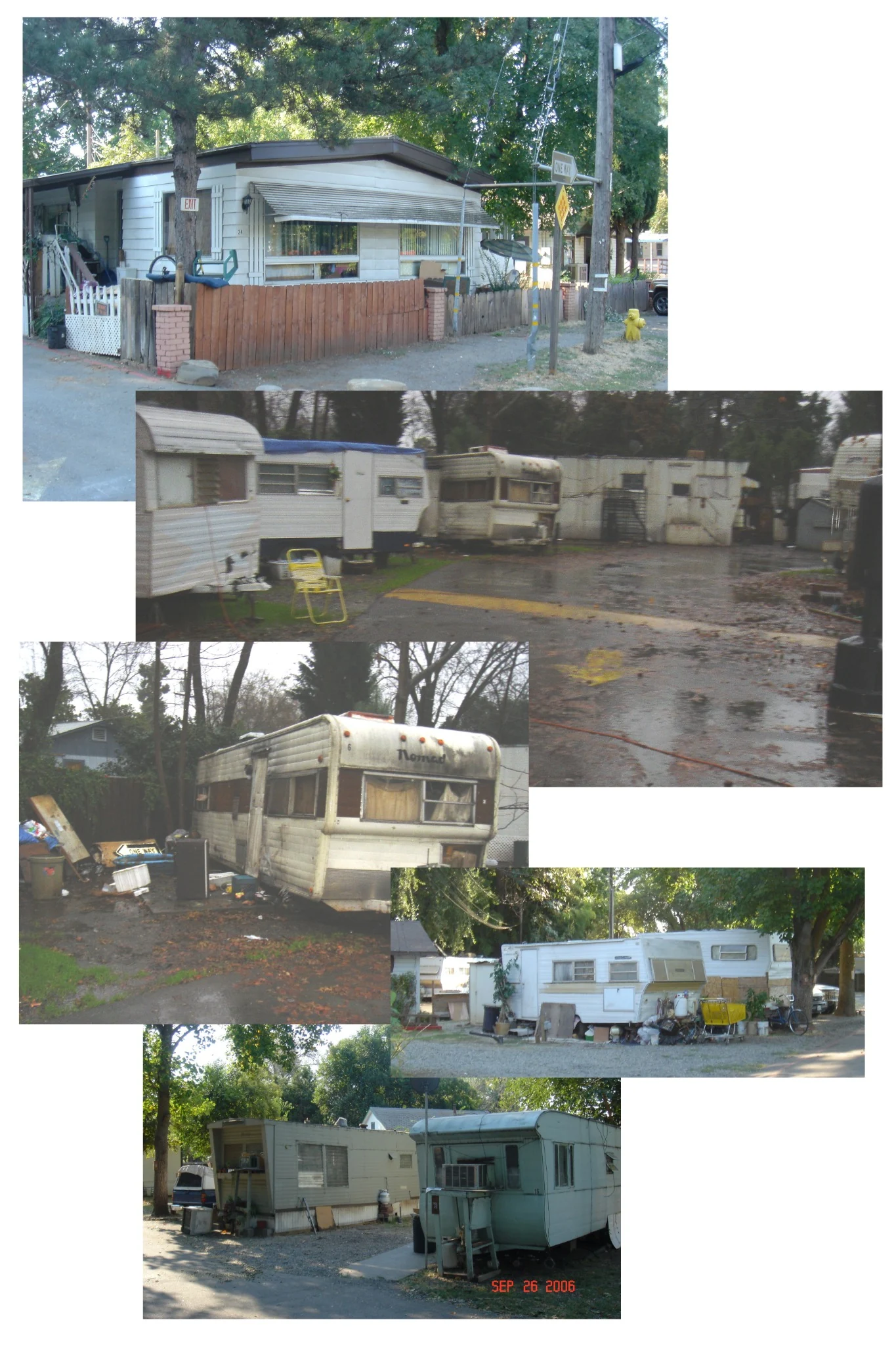
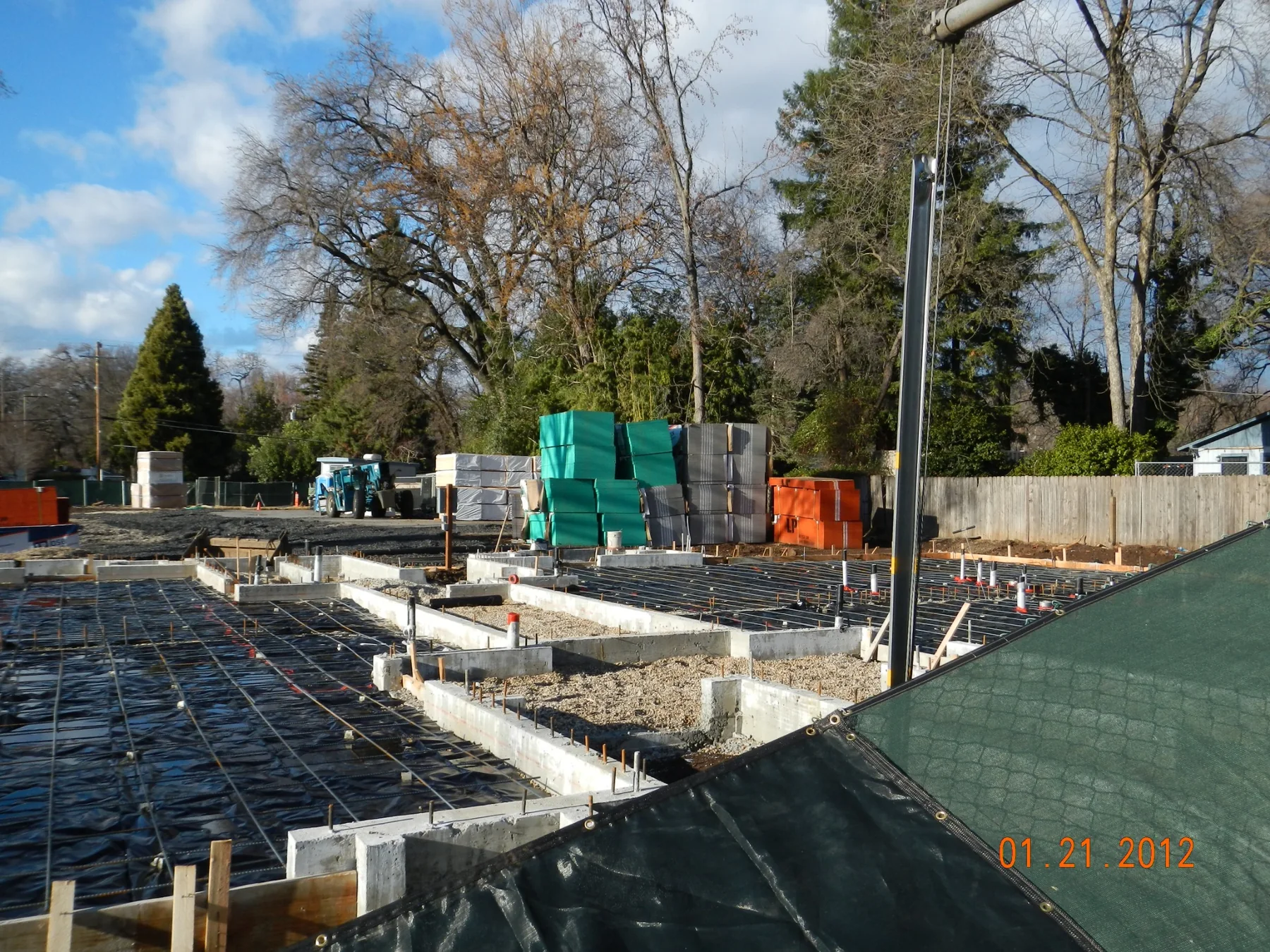
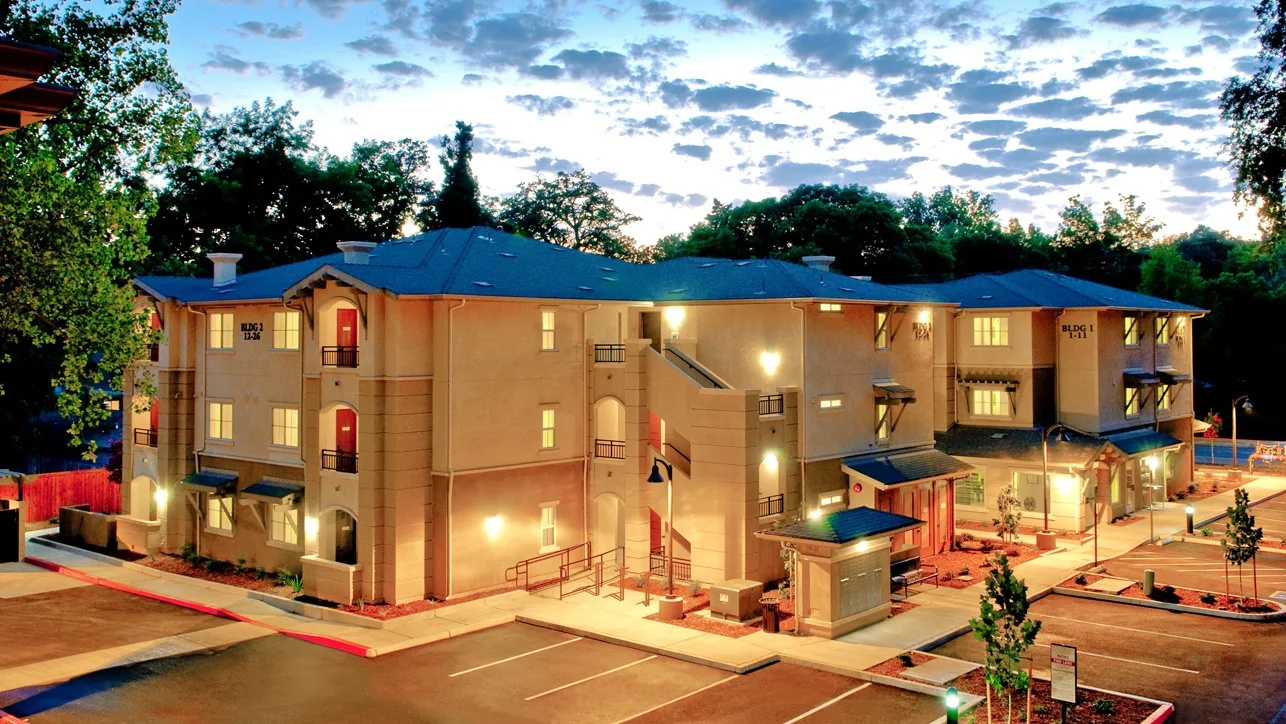
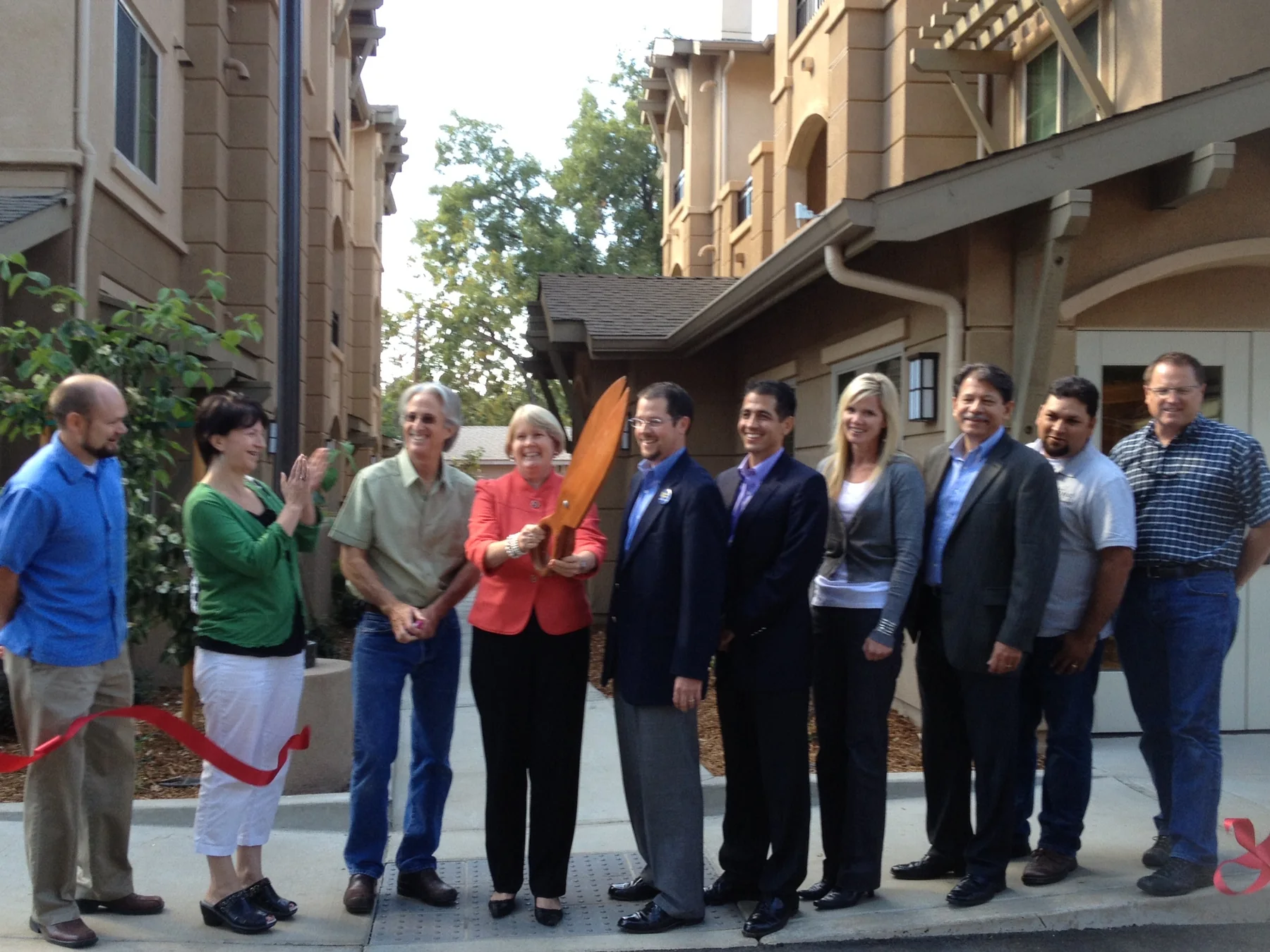
Pear Grove was not an abstraction in the project history. It was an occupied mobile-home community, which meant redevelopment had to be understood through relocation, language access, household disruption, financing, approvals and the long-term affordability structure that followed. The Pear Grove site and the later Bidwell Park Apartments ribbon cutting are shown together.
From Pear Grove to Bidwell Park Apartments
Bidwell Park Apartments grew from a difficult redevelopment and affordability problem. The housing result matters, and so does the relocation history that came with changing Pear Grove into a long-term affordable project.
1197 East Eighth Street
A housing project with a difficult beginning and a durable public purpose.
Bidwell Park Apartments did not begin on an empty lot. It replaced the A&A Pear Grove Mobile Home Park, where residents had homes, routines, neighbors, and serious uncertainty about displacement. The history should preserve both the conditions that prompted redevelopment and the human cost of changing the site.
Concept and relocation
Randall and his younger brother Gregg began developing a plan for affordable housing at the site. The proposed 38-unit project would replace a park with capacity for 31 spaces, although reporting said only 12 residences remained at the time. Residents were offered individual relocation planning, comparable replacement housing, moving assistance, and the option to apply for the new apartments. Advocates also raised legitimate concerns about Spanish-language notice and relocation outside Chico.
A&A Pear Grove Mobile Home Park before redevelopment as Bidwell Park Apartments, Chico. The composite includes a source frame dated September 26, 2006.
Approval and neighborhood opposition
The City Council approved the project after debate over three-story height, density, parking, neighborhood scale, and privacy. Those objections belong in the record; public benefit does not erase land-use impacts or disagreement.
Reapproval and financing
After an earlier approval expired, the project returned for reapproval and additional redevelopment financing needed to compete for federal Low-Income Housing Tax Credits.
Opening
The community opened after a six-year collaboration among Pacific West Communities, Stone Building Corporation, Central Valley Coalition for Affordable Housing, the City of Chico, and the former redevelopment agency.
Still operating as affordable housing
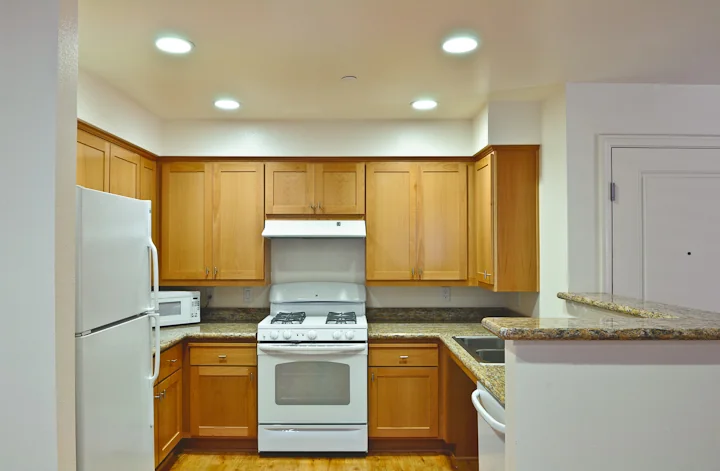
The property continues at 1197 East Eighth Street with one-, two-, and three-bedroom apartments, a community room, playground, laundry, energy-efficient construction, on-site management, and other resident amenities.
The honest story is not “blight removed.” It is that people were living there, the housing was inadequate, relocation carried real consequences, the replacement increased affordable units and quality, and the resulting community still serves families.
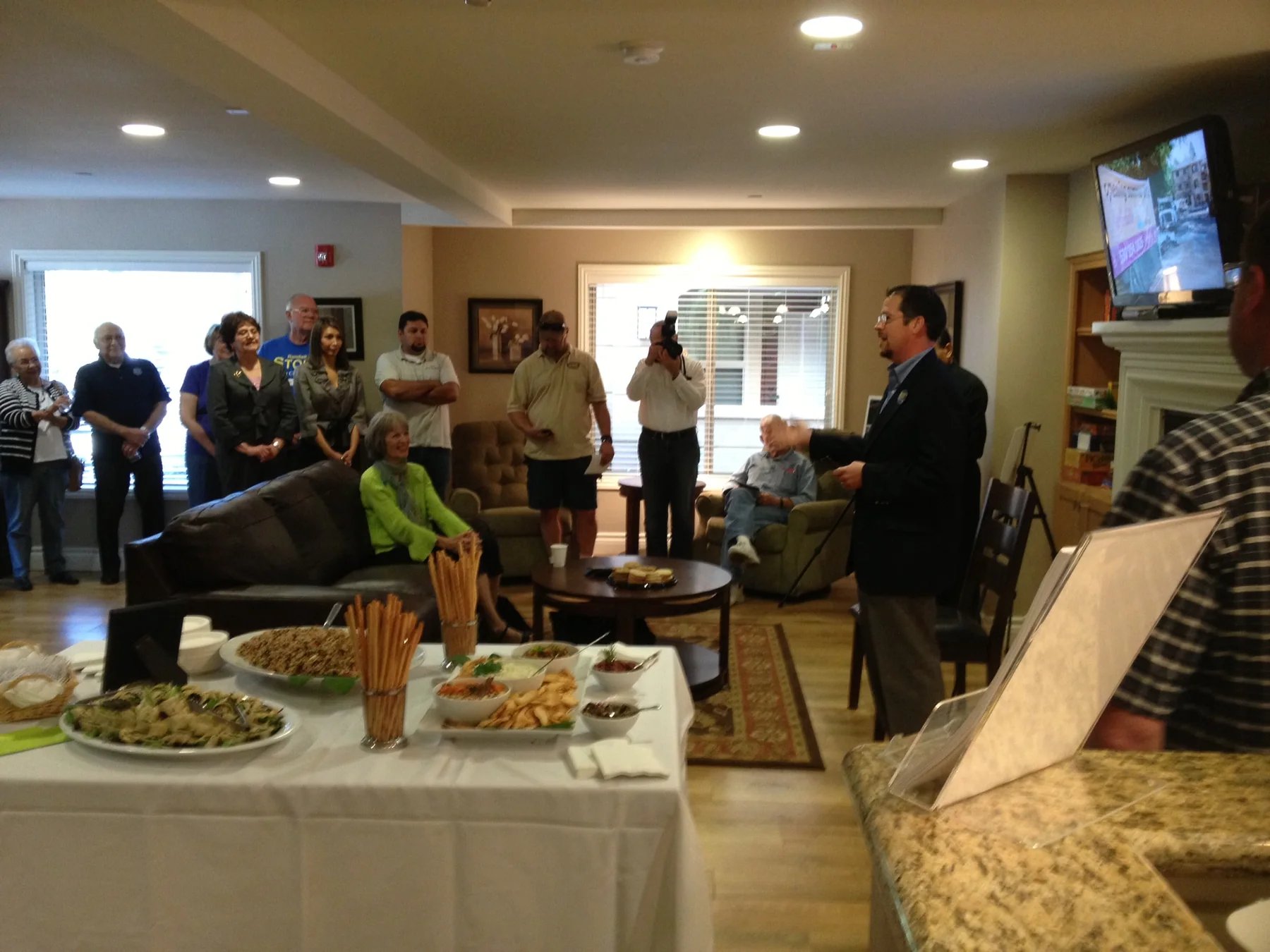
October 2012 personal record: The community-room photograph shows Randall speaking during the opening. His mother was in the audience. Randall had already severed ties with his parents before the event; their attendance did not represent reconciliation. It was the last time he saw his mother.
Primary sources and contemporary reporting
Put the uncomfortable parts beside the achievement.
The project record includes the conflict around it.
Two recovered news clips preserve different points in the Bidwell Park Apartments story: coverage of the project itself and coverage of the nearby Valero eviction and its possible effect on the development. Broadcaster logos and attribution are preserved.
Bidwell Park Apartments
Archived NBC 24 television news coverage with City Council footage and project renderings.
Valero eviction and project impact
Archived local television coverage. The clip is preserved as source material, not republished as my own reporting.