Regional government · Camp Fire · civic networks · advocacy
Build the relationship before you need the emergency favor.
Regional work depends on relationships built before an emergency and maintained after it. Transportation, housing, public finance and state advocacy repeatedly crossed city and county lines.
The useful phone call during a crisis is usually earned years before the crisis.
Camp Fire-period regional engagement
Yolo County regional gathering.
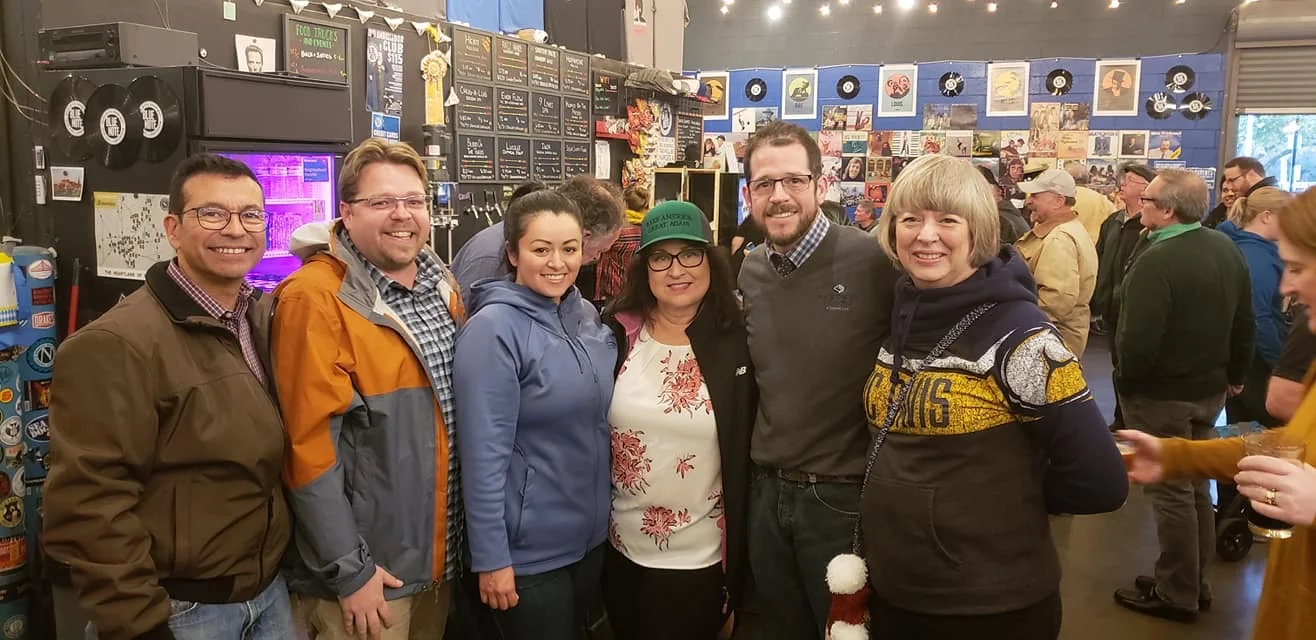
This series belongs together as a record of regional relationships during the Camp Fire period. The event connected Chico and Butte County recovery concerns with Yolo-area friends, elected officials, advocates, and community partners.


League of California Cities
Regional work was built through recurring relationships.
The League of California Cities record includes repeated work with city officials, policy staff, regional partners, and local leaders on housing, transportation, governance, labor, accessibility, taxation, and disaster response.


State of the City · Chico Chamber of Commerce
One local address, followed immediately by statewide service.
Randall delivered the State of the City address to the Chico Chamber of Commerce shortly before leaving that same morning for a statewide League of California Cities Board meeting.
Stone’s firsthand account is that the Chamber was exceedingly rude about his level of engagement, despite the statewide Board obligation immediately following the address. The event is presented with the contemporaneous source context.

Camp Fire toxic debris · successful local resistance
A successful fight against the federal government’s debris plan.
As Mayor, Randall Stone spearheaded Chico’s fight against the federal government’s effort to bring Camp Fire toxic debris inside Chico city limits. The Council briefing shown here formed part of the official record. The effort succeeded.


League of California Cities
The statewide network was larger than the board table.
Conference sessions and regional gatherings connected officials, policy staff, advocates, and local leaders across California. The October 2018 League of California Cities Annual Conference in Long Beach is part of that statewide policy-study record.


Issue study · October 2019
Homeless-services facility tour in Southern California
Randall recalls touring a Southern California homeless-services facility in October 2019 while conducting municipal-policy study. The exact facility and city remain pending; Glendora is a recollection to verify rather than a settled caption.
Regional government in rooms other than Chico’s
The Sacramento Valley network was built city by city.
These photographs document the practical side of regional service: presenting in another city’s council chamber, touring infrastructure and standing with officials whose communities had recently absorbed disaster.

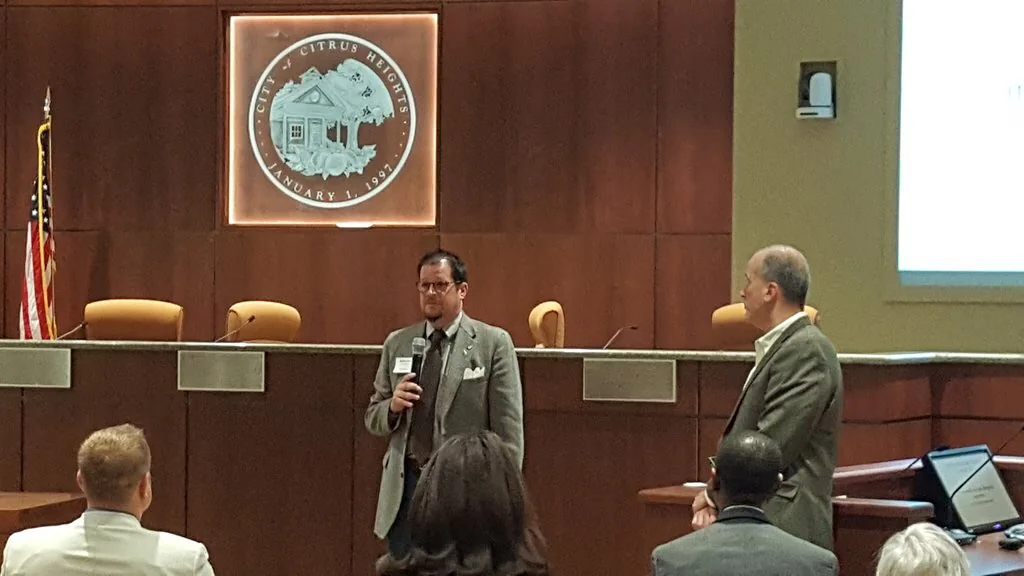
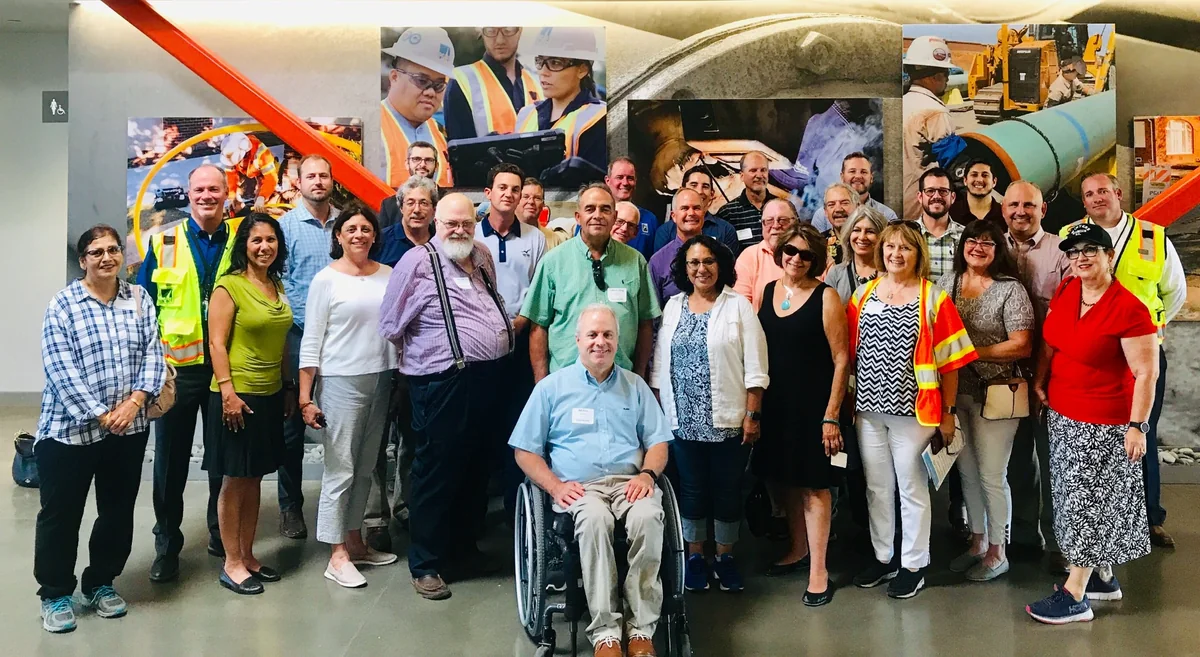
Cal Cities · Sacramento Valley Division → · PG&E · Gas Safety Academy and San Bruno pipe display →