Shelter and clothing
Layering, dry storage, sleep systems, wind, snow loading, and the ability to change plans.
Lassen · snow camp · backcountry · judgment
Cold weather exposes weak batteries, poor clothing choices, bad route assumptions and rushed decisions quickly. Winter planning is therefore less about drama than about margins.
Cold is a ruthless auditor of batteries, clothing and optimistic route plans.
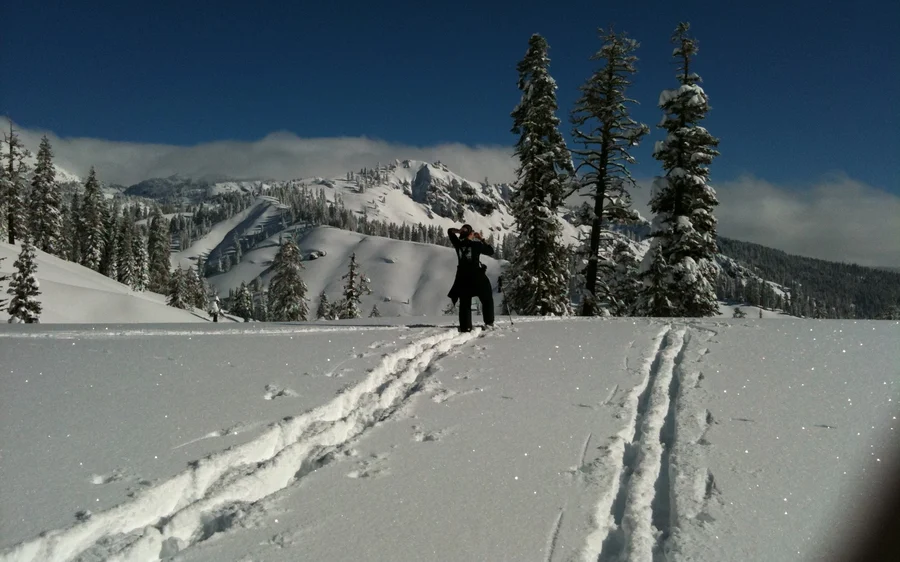
Weather, daylight, shelter, clothing, food, water, route, avalanche awareness, navigation, power, communication, and retreat options become visible in ways that ordinary travel lets people ignore.
Lassen is a favorite setting for snow camping, backcountry skiing, cross-country skiing and snowshoeing because it combines beauty, distance, changing weather, practical gear, radio, and the need to remain honest about conditions. Cross-country skiing and snowshoeing remain part of the repertoire even when low-snow years reduce the opportunities.
Orange is the shared Team Stone field color because it is easy to identify from a distance. It belongs on outerwear, radios, bags, markers, and equipment where visibility helps. Randall’s own equipment already follows that pattern, including the orange kayak Three’s Company, an orange dry suit and paddling gear, and black-and-orange InMotion EUCs.
Trip stories, equipment notes, weather references, photographs, and broad route planning can be public. Live itineraries, family routines, exact caches, private contacts, and sensitive locations stay out of the site.
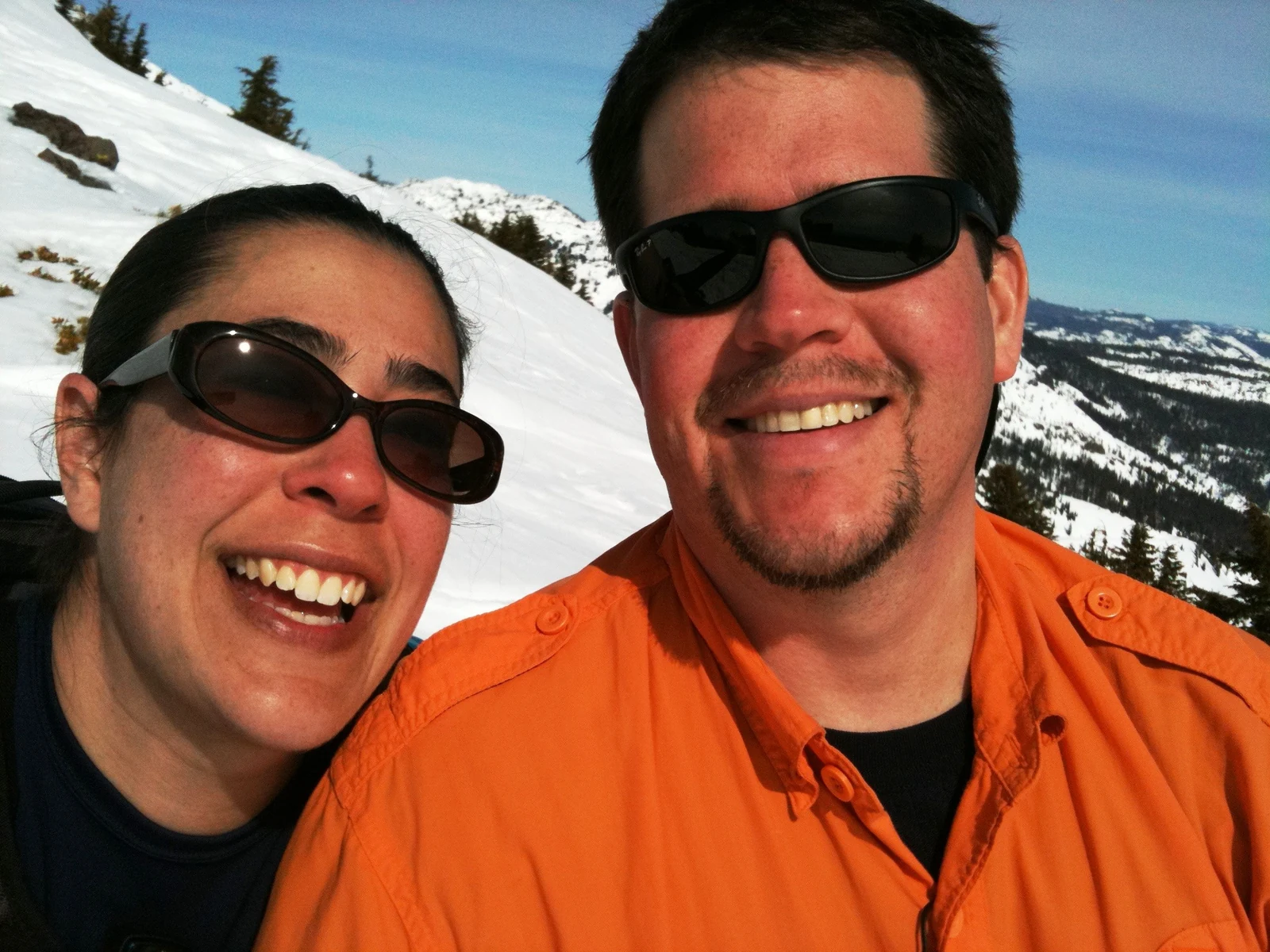
Layering, dry storage, sleep systems, wind, snow loading, and the ability to change plans.
Maps, turnaround times, navigation, trail conditions, weather, and retreat options.
Cold batteries, radios, phones, lighting, charging, antennas, and paper references.
Fitness, experience, comfort, hydration, food, communication, and the least-resourced member of the group.