League of California Cities
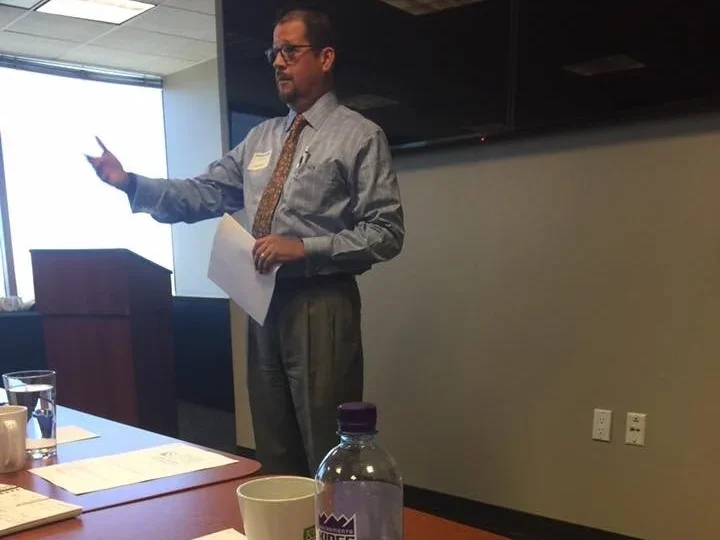
Statewide Board service, Sacramento Valley Division leadership and policy-committee work on housing, development, governance and labor.

Public service
Housing, accessibility, transportation, public finance, disaster recovery, civil rights, disability sports, nonprofits and the field work that connected policy to people.
The through-line was usually the same: get close enough to the operating problem to understand it, then carry that knowledge back into budgets, legislation, votes and implementation.
Statewide Board service, Sacramento Valley Division leadership and policy-committee work on housing, development, governance and labor.
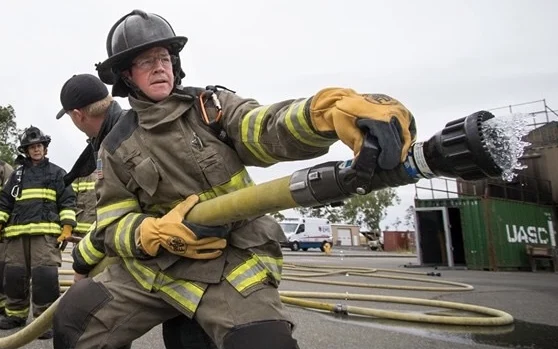
Facility tours, applicant meetings, Police, Fire and Waste Management ride-alongs, accessibility work and direct service-provider conversations.
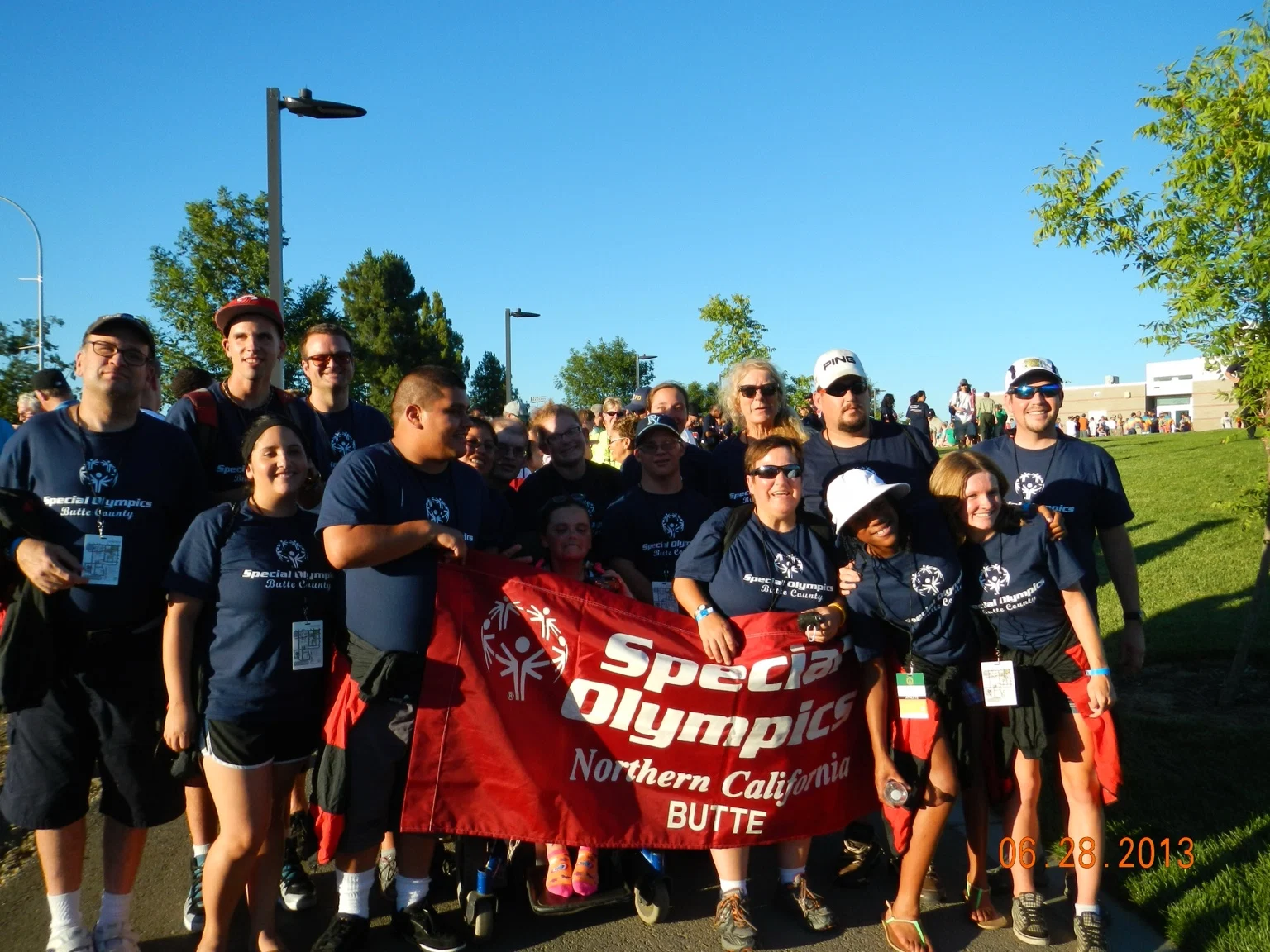
Years of coaching, operations, finance intervention and advocacy, including the Chico State tournament dispute and the school-site track-meet history.
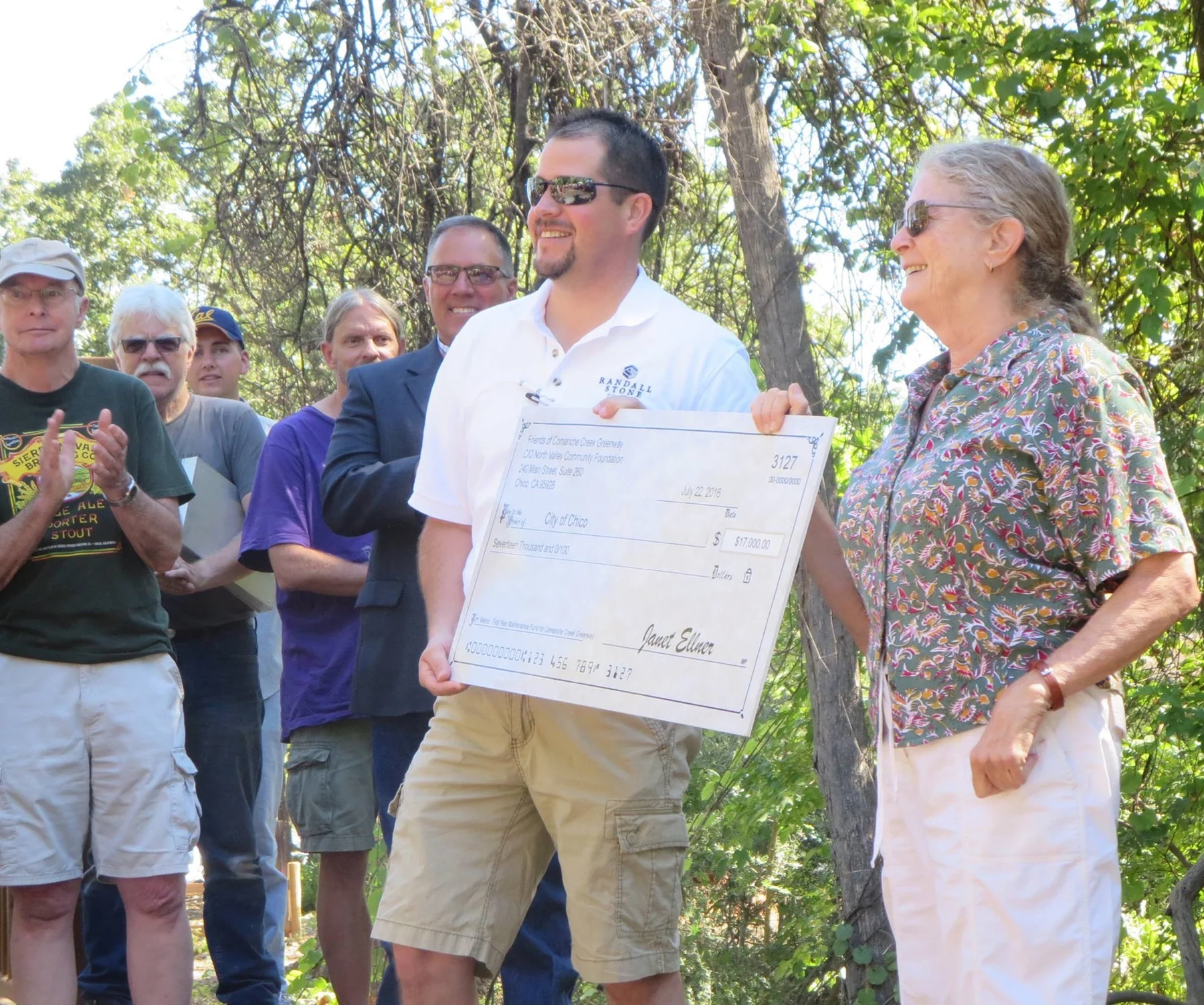
A visible example of neighborhood, environmental and community investment moving through public finance into a local project.
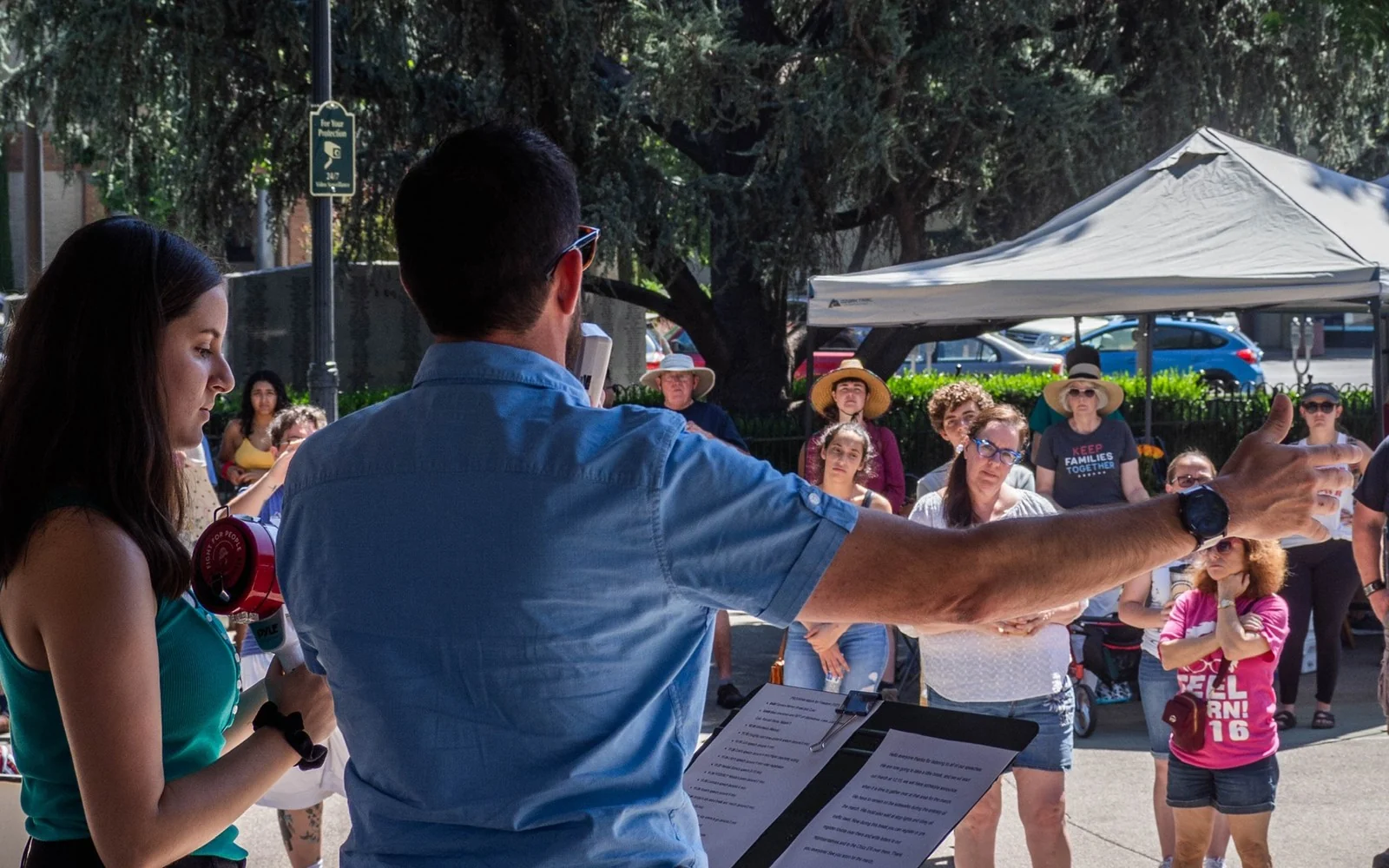
Civil-rights and immigration advocacy retained in the archive even where final event metadata still needs attachment.
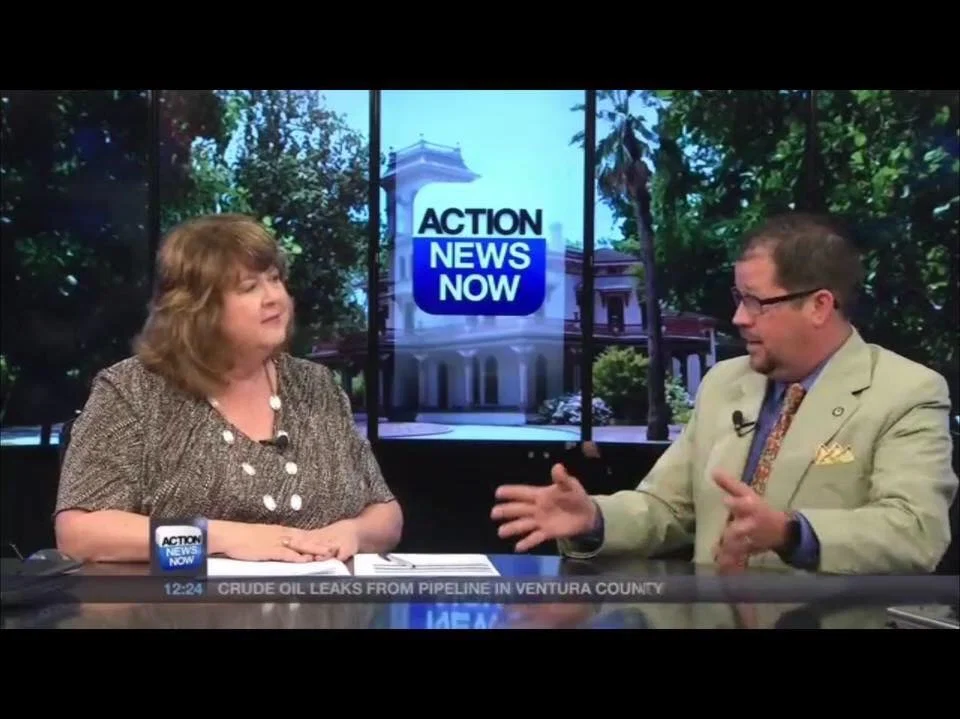
Broadcast interviews are preserved in their native geometry, with exact subjects and dates added when verified rather than guessed.
State & regional relationships
Housing, transportation, disaster recovery, infrastructure and public finance all run through systems larger than one council chamber. The useful part of those relationships was not collecting photographs with officeholders. It was being able to carry Chico’s operating problems into conversations where state and regional policy were being shaped.
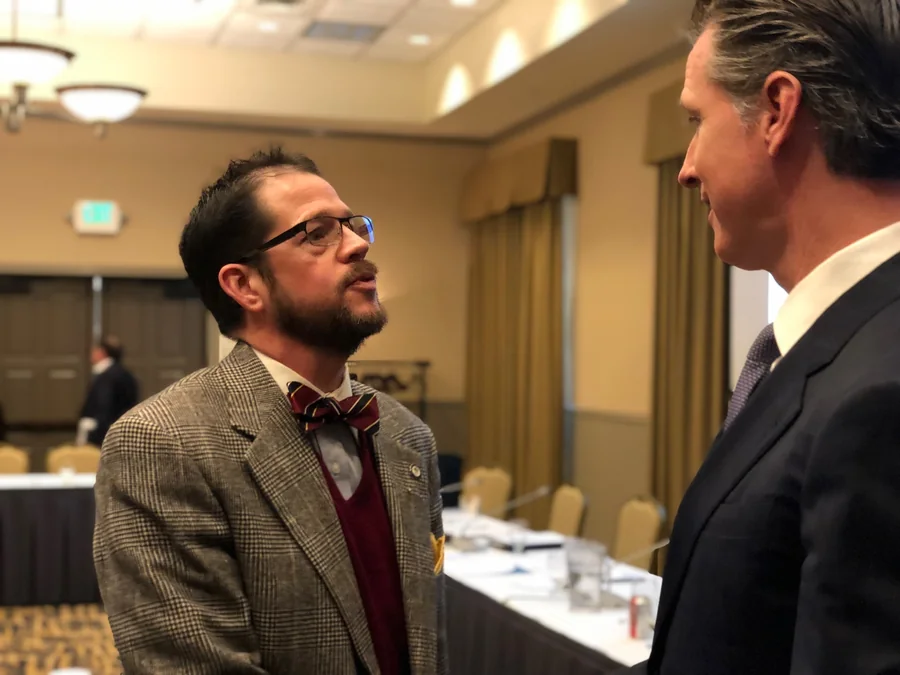
Direct conversation with Gavin Newsom. The value of the photograph is the exchange and access, not proximity for its own sake.
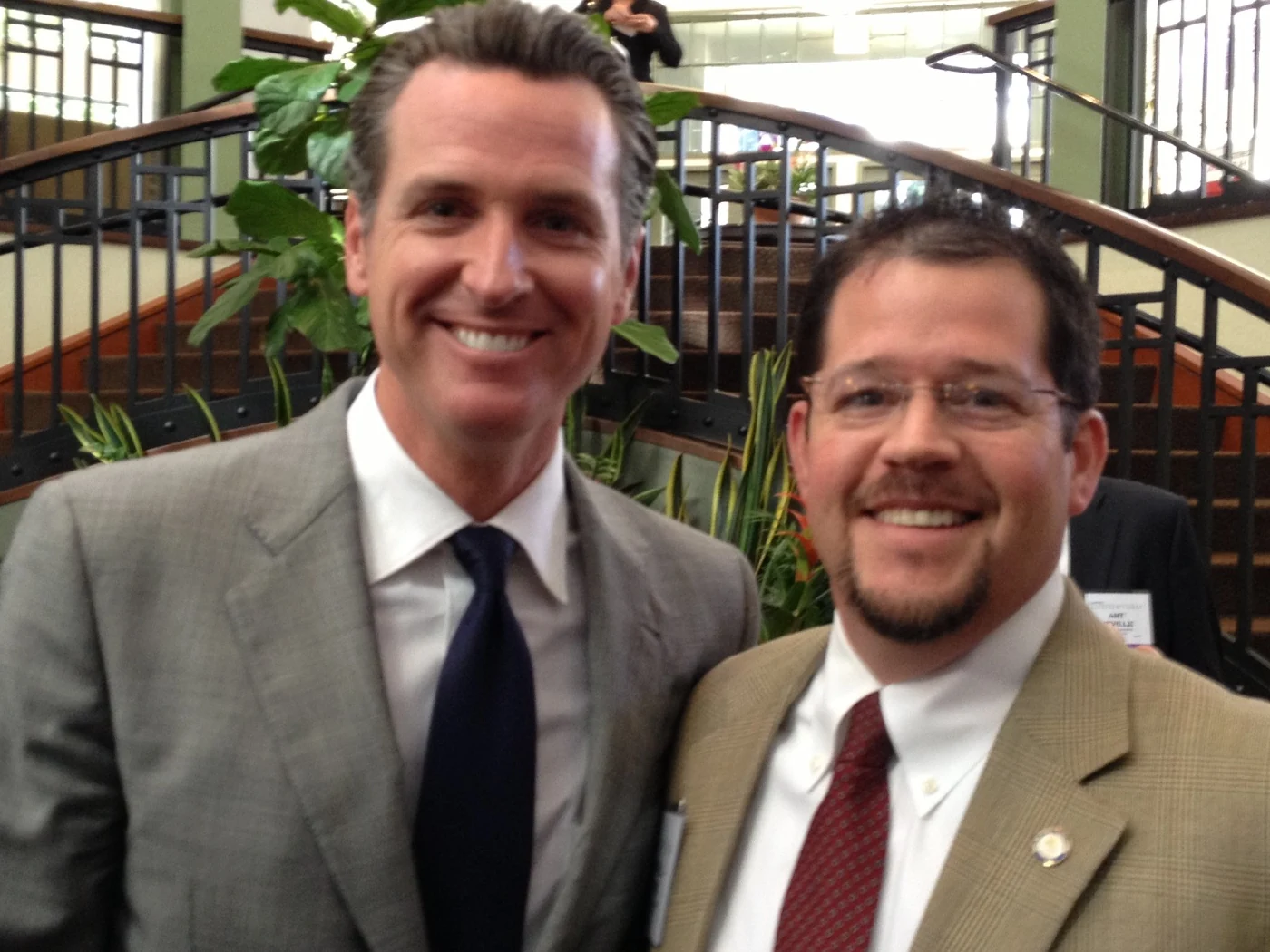
A separate state-leadership encounter. It belongs in the record as one of several different settings where local-government concerns could move into statewide conversations.
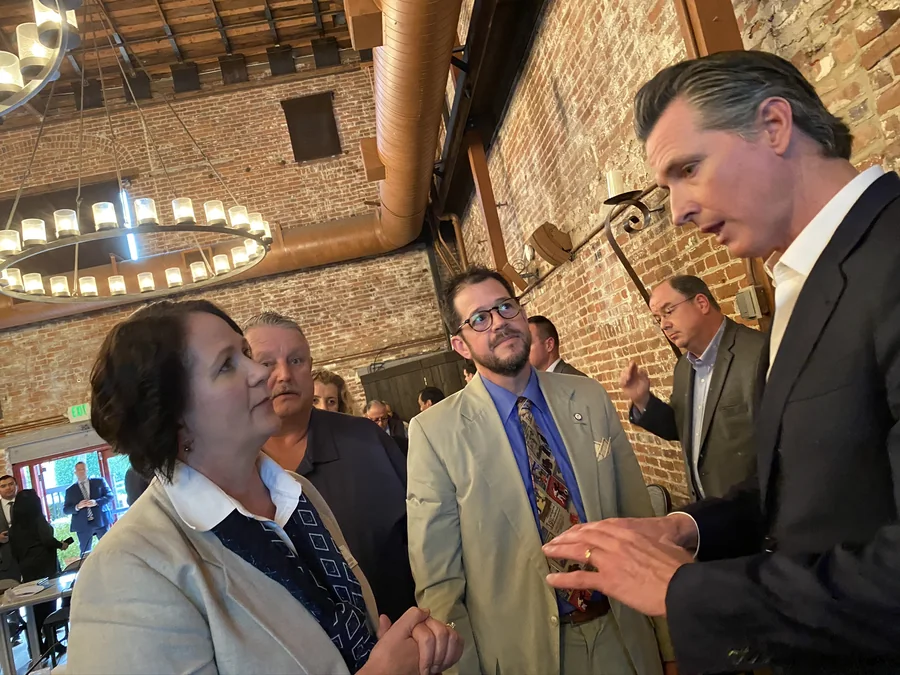
A later regional gathering with Gavin Newsom and Melanie Bagby, preserved as part of the relationship history rather than isolated as a grip-and-grin.
Political organizing before elected office
Randall’s public-service record did not start with the 2012 Council campaign. Earlier work included Democratic Action Club of Chico leadership, service as vice chair of the Butte County Democratic Central Committee, election-cycle organizing, facilities and technology work, and the shared 2008 Democratic headquarters at 600 Main Street.
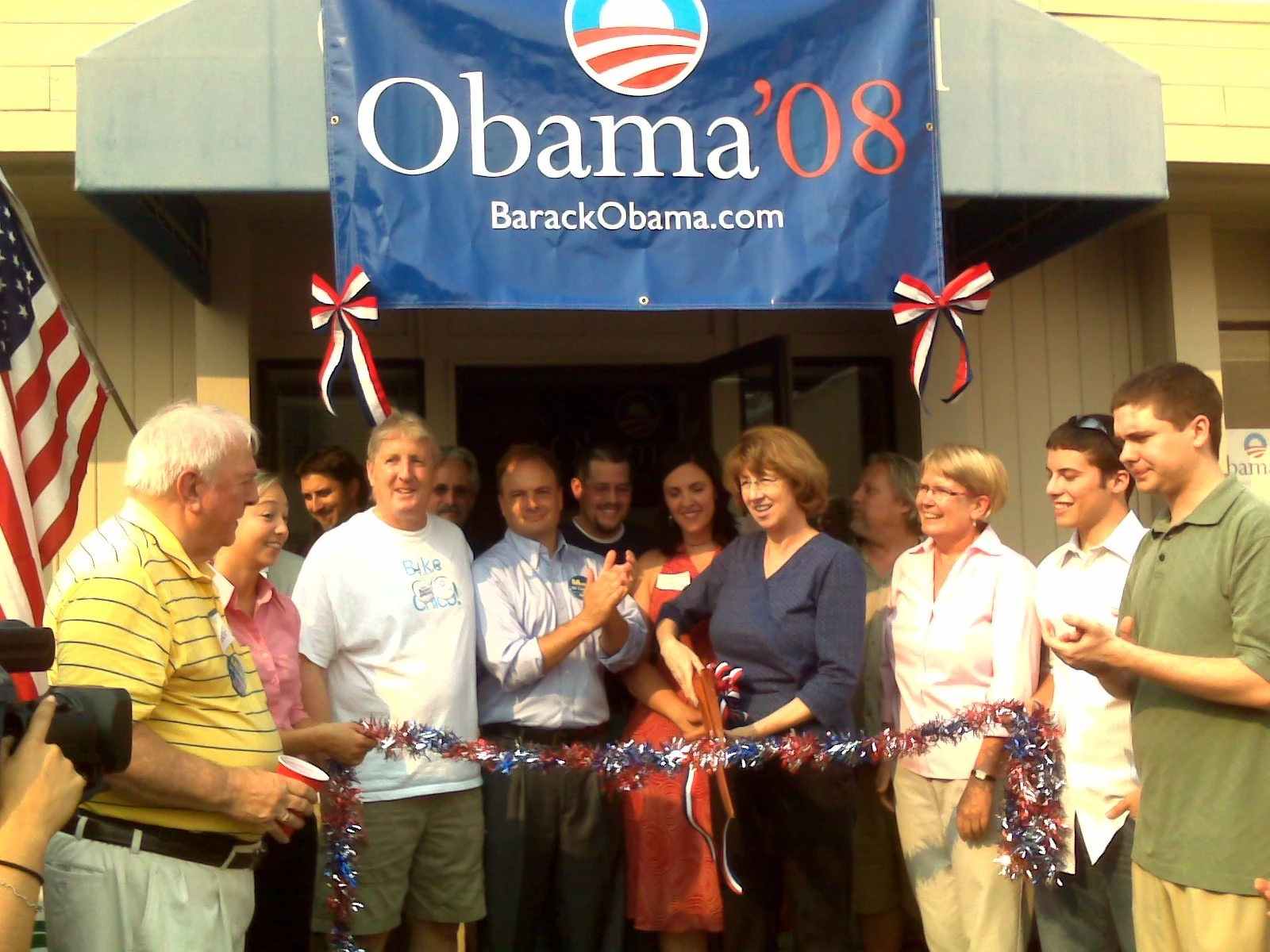
Stone is literally near the center of the photograph while leaving the ceremonial foreground to candidates and elected officials. His firsthand account identifies his role in the underlying operation as master lessee and IT lead, alongside DACC leadership.
CN&R’s July 2008 reporting described the 3,800-square-foot office as the strongest local Democratic headquarters in decades and identified the Democratic Action Club of Chico as one of the groups sharing the site. Earlier primary coverage also records Randall and Krista Gallwitz in the Democratic delegate process.
The sequence matters: contested primary politics, then shared general-election infrastructure, then later candidacy. It is a better explanation of the political apprenticeship than simply beginning the biography with “elected in 2012.”
Read the July 2008 headquarters coverage → Read the 2006 DACC context →
Elections, continuity and handoffs
The archive is useful when it shows the unpolished parts too: watching returns, supporters improvising campaign visibility, colleagues winning alongside one another, and the formal transfer back into governing.
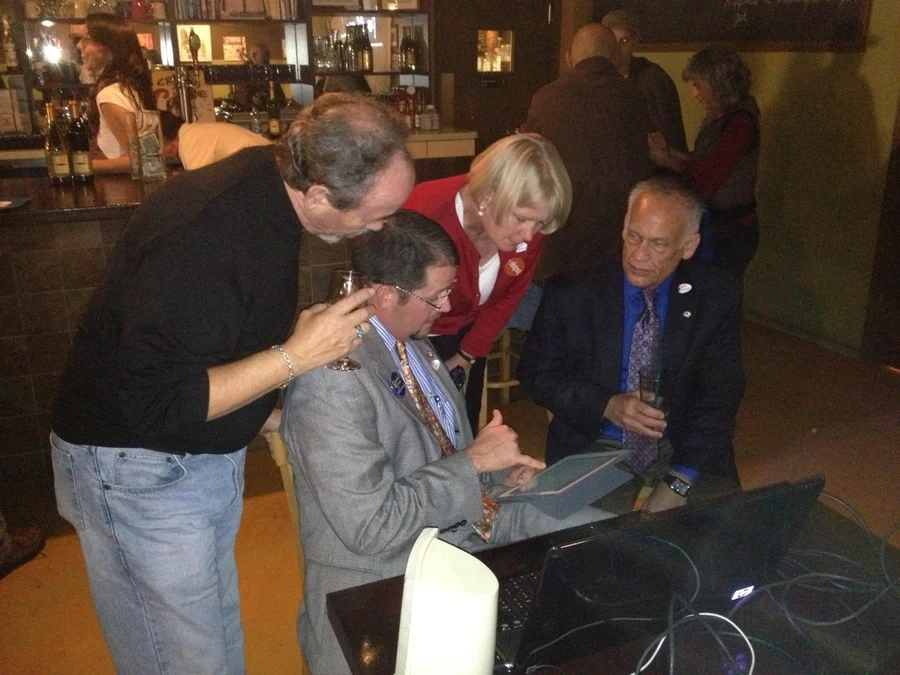
Mayor Scott Gruendl and Paul Friedlander huddled with Randall around the results as the first Council race became an actual governing responsibility.
A campaign-era photograph that records the people and energy around the election rather than reconstructing the night years later from a vote table.
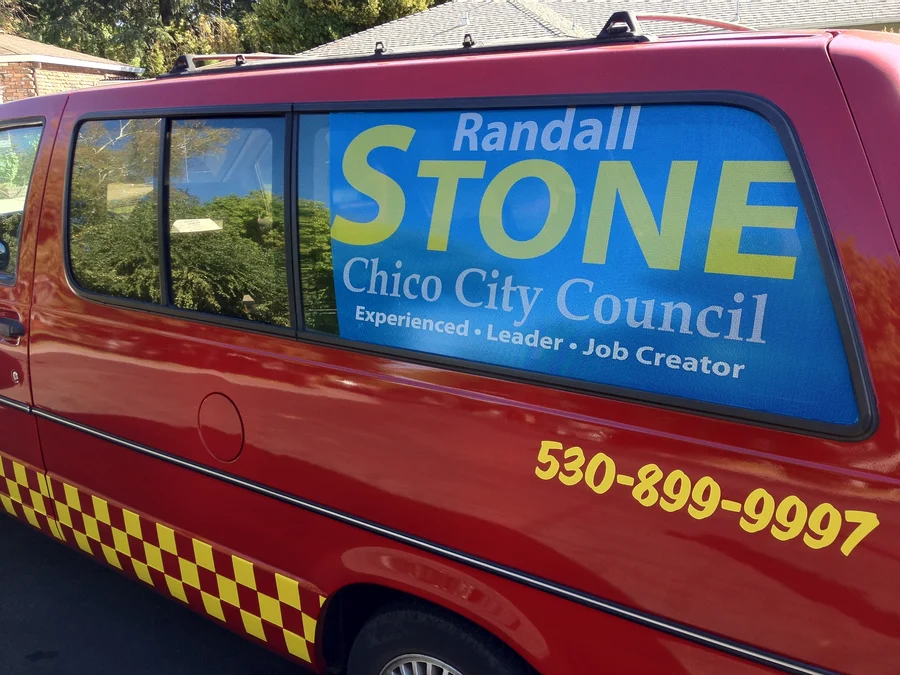
A taxi supporter turned a working vehicle into campaign visibility. The archive keeps these improvised pieces of political life because polished mailers tell only part of the story.
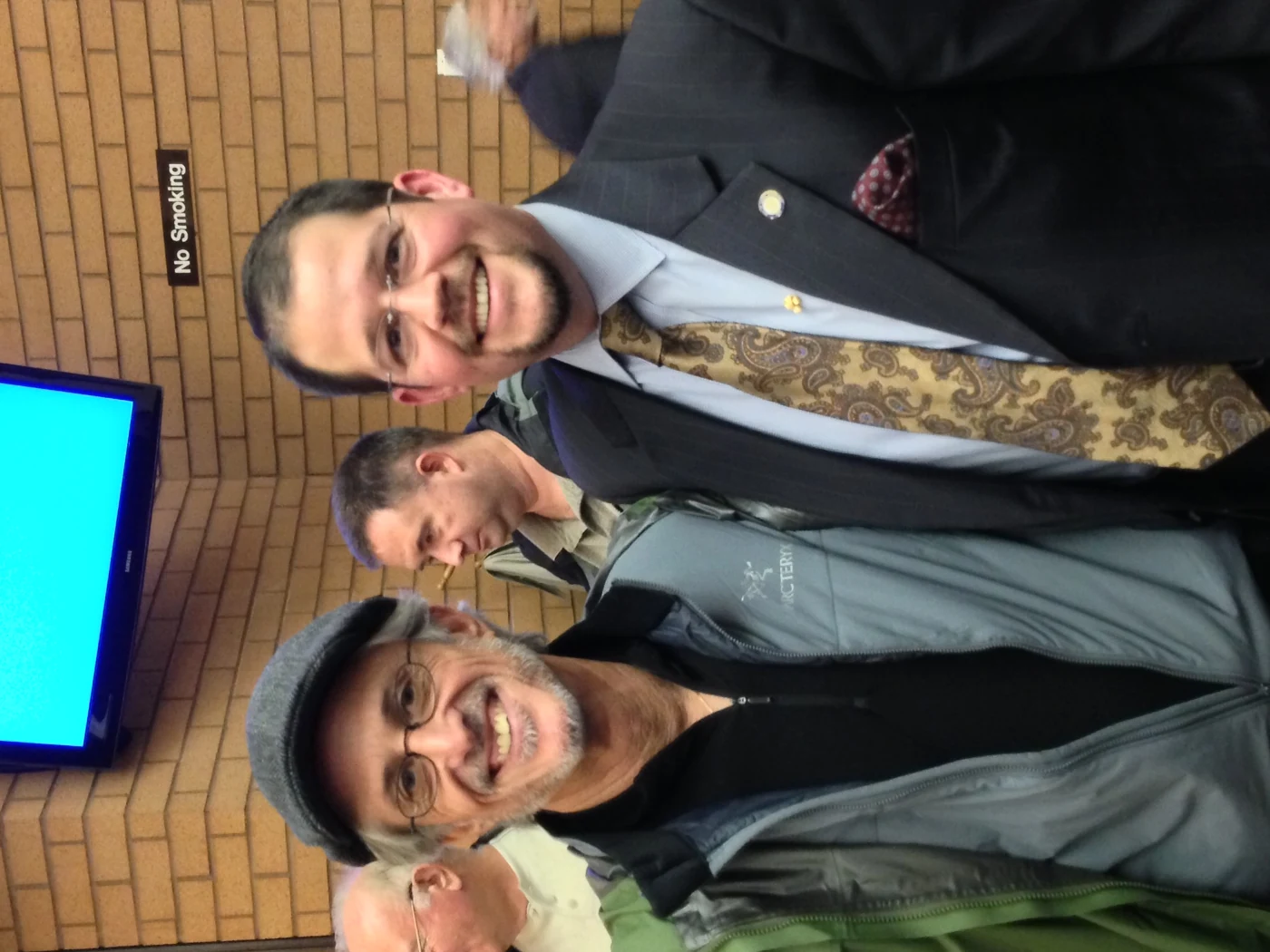
Tom Nickell at the 2016 swearing-in, part of the transition from election activity back into the work of the Council.
Advocacy and listening
The useful record includes the formal microphone and what happens afterward: conversation, disagreement, coalition building and the slower work of staying in the room.
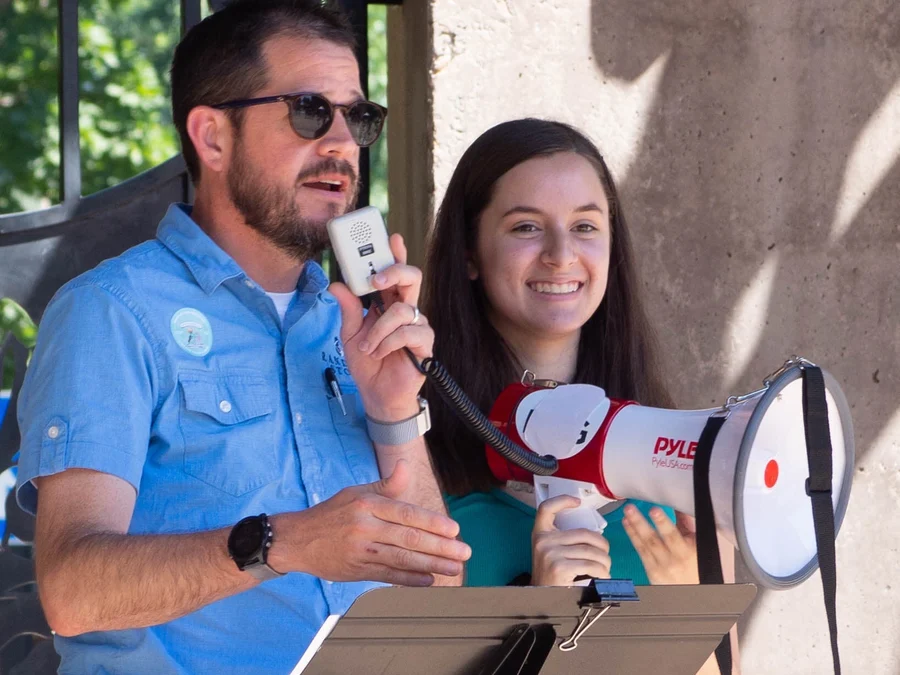
The public program matters, but so does who is given the microphone. Exact event metadata remains attached as the archive is recovered.
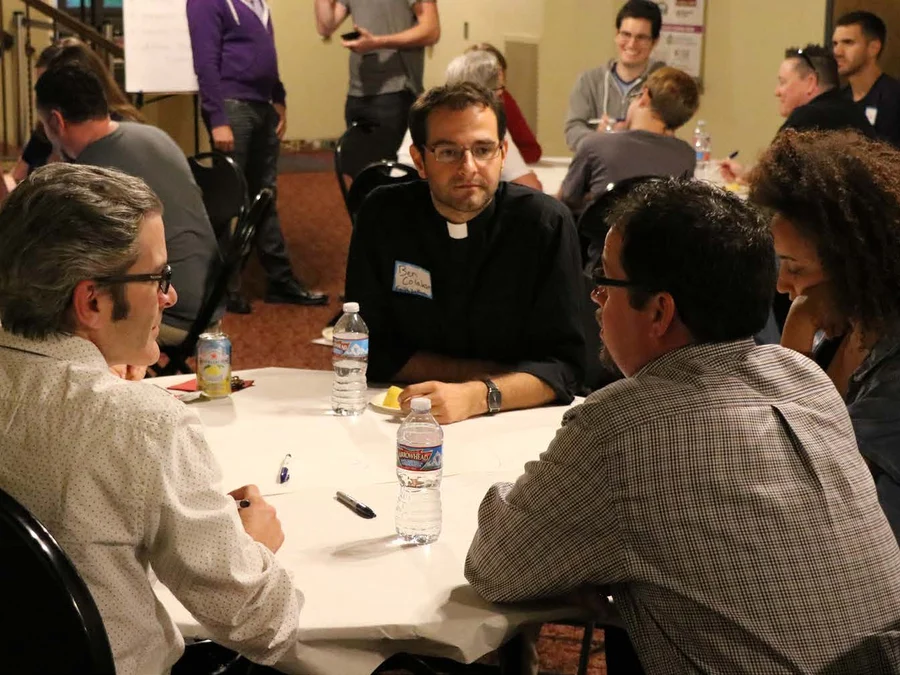
The record includes the slower conversation after the formal event ended: listening, disagreement, coalition building and staying in the room.
Affordable development, Safe Space, post-Camp Fire recovery, standards, infrastructure and the secondary displacement that followed the disaster.
Housing archive →ADA routes, East Avenue, the Esplanade, budget referrals, disability advocates and infrastructure as a civil-rights question.
Accessibility archive →Arundo donax, creek access, fire danger, restoration, parks and the long maintenance tail after a project leaves the agenda.
Environmental record →Specific stories
Pear Grove, relocation, financing, neighborhood opposition and the eventual 38-unit affordable community.
Read the housing case →Alternative custody, jail pressure, municipal staffing, public-space maintenance and restoration.
Read the Caper Acres story →Coaching, operations, the Chico State tournament dispute and the separate Cami Anderson track-meet history.
Read the Special Olympics story →